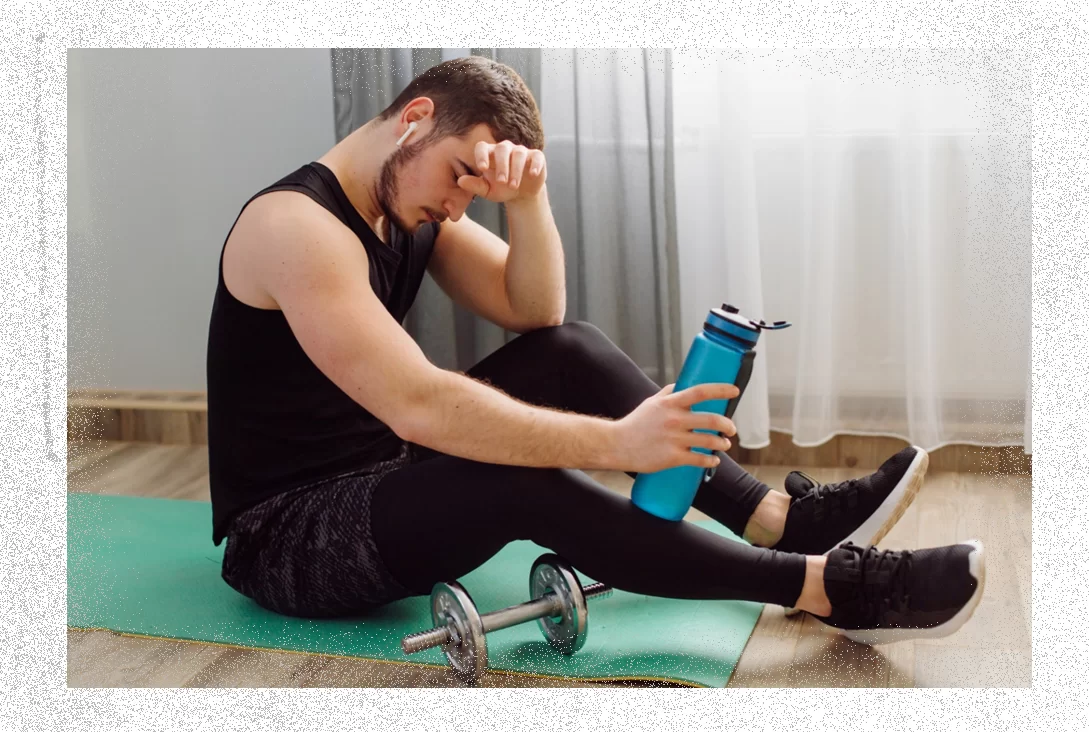
What do you do when the same workout no longer seems to be getting you anywhere? Doing more reps, adding random exercises or spending extra hours at the gym may not solve the problem.
Sometimes, your body has simply adapted to what you have been doing. A closer look at your training, recovery and everyday routine can show you what needs to change.
First, Figure Out What Has Actually Stalled
A workout may feel ineffective for several different reasons. Maybe your strength has stopped improving, or perhaps you are getting stronger but not seeing the physical changes you expected.
You can figure out the changes with these:
- If you are lifting the same weights for months
- If you are hitting the same number of reps
- If you are training consistently
- If you are getting enough rest between sessions
- If your diet has changed recently
- If your workouts still feel challenging
This quick check can help you find the real issue instead of changing everything at once.
Are You Still Challenging Yourself?
Doing the same 10 repetitions with the same weight every week may eventually stop providing enough of a challenge.
This doesn’t mean you need to add weight in every single workout. Progress can happen in several ways:
- Increase the weight slightly
- Add a few repetitions
- Add another set when appropriate
- Improve your technique
- Perform the movement with better control
- Reduce unnecessary rest between certain exercises
The important part is gradual progression. Your workout should give your muscles a reason to adapt over time.
Maybe Your Exercises Need a Refresh
You don’t have to throw away your entire workout plan just because your progress has slowed.
Sometimes, replacing one or two exercises can be really effective for you.
You can try:
- Bulgarian split squats instead of always doing regular squats
- Switch between dumbbell and machine presses
- Use a different rowing variation for your back
- Try cable lateral raises instead of always using dumbbells
- Add a different curl variation for your arms
Keep the exercises that you are progressing well with and experiment with the ones that have become repetitive or difficult to progress.
Look at What You are Eating
Your workout can be perfectly planned, but your body still needs enough fuel to recover and adapt.
If you have recently reduced your food intake or started skipping meals, that could affect your training performance.
Make sure your routine includes:
- Enough protein
- Adequate carbohydrates
- Healthy sources of fat
- Plenty of fluids
- Regular meals
If you use protein powder, having a protein shaker can make it easier to carry and prepare your drink around your workout or workday.
Small Changes Outside the Gym Can Help Too
Your workout doesn’t happen in isolation. Your daily routine can affect how you perform.
Even simple preparation can make training easier. Even if you keep your gym tshirt for men, shoes and other workout essentials ready beforehand, it can remove some of the small hassles that make you want to skip a session.
The bigger things matter too:
- Get enough sleep
- Eat regularly
- Stay hydrated
- Manage stress where possible
- Keep track of your workouts
These habits may seem basic, but they add up overtime.
Give the Changes Some Time
One of the biggest mistakes is changing your routine too quickly.
You try a new exercise for one week, don’t see the difference and immediately replace it again. That makes it almost impossible to know what’s actually working for you.
Once you make a sensible adjustment, give it enough time to evaluate your progress.
Track your:
- Weights
- Repetitions
- Measurements
- Workout consistency
- Energy levels
Summing Up
When your workout stops producing the progress you expected, you don’t necessarily need to start from scratch. Check your progression, recovery, nutrition and consistency first. Then make small, purposeful changes where needed. A new exercise or heavier weight can help, but sometimes the missing piece is simply better recovery or giving your existing routine enough time to work.