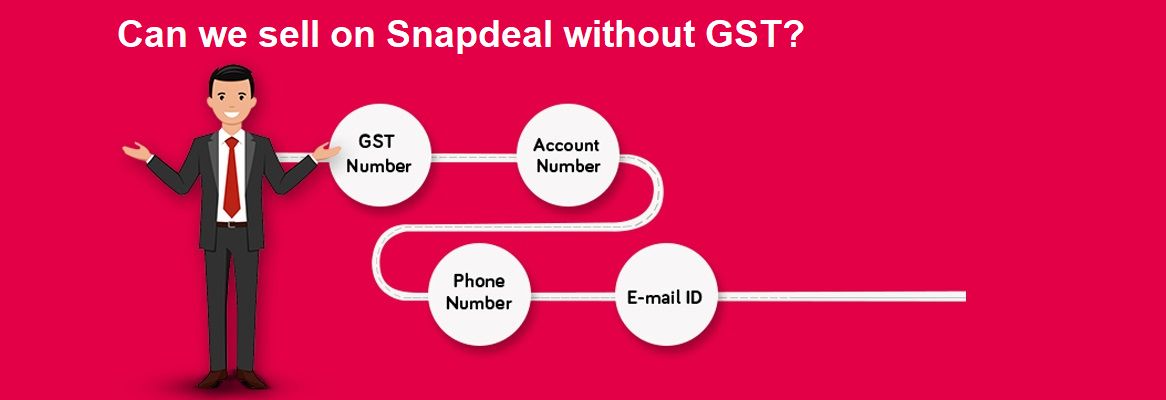
Generally, no, you cannot sell on Snapdeal without a GST
For a better understanding of the question, ‘Can I sell on Snapdeal without GST?’, you need to go through this article in detail.
You can sell on Snapdeal without GST registration if your products are GST-exempt or your turnover is below the threshold limit, though most sellers require a GST number[3][5]. The latest guidelines and government policies allow certain exemptions for small businesses and specific categories.
India’s Goods and Services Tax (GST) Act generally requires every seller on e-commerce platforms, including Snapdeal, to register for GST regardless of turnover. However, there are notable exceptions:
- GST-exempt products: If you sell items not subject to GST—such as certain books, handmade products, or agricultural goods—you may not need GST registration.
- Turnover below threshold: If your annual turnover is below ₹40 lakhs for goods and ₹20 lakhs for services, GST registration is not mandatory. Snapdeal allows account creation in these scenarios without demanding GST details upfront.
Despite these exceptions, most product categories and sellers operating on Snapdeal must submit a GST certificate during registration. Selling without GST is only possible in specific, limited cases.
Step-by-Step Guide: Selling on Snapdeal Without GST
Follow these steps to set up as a Snapdeal seller without a GST number, provided you meet the exemption criteria:
1. Identify Your Eligibility
- Determine if your products qualify for GST exemption (check government GST lists for exempt categories).
- Confirm your turnover is below the current threshold limits: ₹40 lakhs for goods, ₹20 lakhs for services.
2. Prepare Mandatory Documents
Even without GST, you must provide:
- PAN Card (individual or firm)
- Bank account details and a canceled cheque
- Address proof (rental agreement, electricity bill, or property tax receipt)
- Identification (Aadhaar, company incorporation documents if applicable)
3. Register on the Snapdeal Seller Portal
- Visit Snapdeal’s seller registration website.
- Fill in your basic information: PAN, name, valid mobile number, email, and pickup pin code[5].
- When prompted for GST number, indicate your exemption status (some portals allow skipping or specifying exempt categories)[3].
- Receive and enter OTPs to verify your mobile and email addresses.
4. Product Listing
- Add your products with comprehensive descriptions, clear images, and accurate pricing.
- If your product is GST-exempt, specify this in your listing to avoid confusion during invoice generation.
5. Payment Setup
- Provide valid bank details for remittance.
- Snapdeal will process payments after deducting its commission (varies by product category).
6. Order Fulfillment
- Manage stock levels, pack orders securely, and use Snapdeal’s logistics partners if available.
- Deliver products promptly to maintain ratings and avoid penalties.
7. Marketing and Support
- Use Snapdeal’s marketing tools, participate in promotional campaigns, and seek help from their seller support team as needed.
How To Create Seller Account On Snapdeal?
Important Considerations
- Most goods require GST registration: If you expand your portfolio or cross the threshold, you must obtain and submit a GST certificate immediately.
- Invoice generation and taxes: If you don’t furnish a GST number, your invoices will reflect your exempt status. However, customers may still inquire about GST for their own input credits.
- Seller support and compliance: Snapdeal may request further documentation or update requirements, so monitor seller communications regularly.
Latest Trends and Analysis
In 2025, e-commerce platforms remain strictly regulated to ensure tax compliance and reduce evasion. Snapdeal, like Amazon and Flipkart, largely requires GST for all sellers, except those with documented exemptions. This approach aligns with government efforts to formalize online trade and make taxation transparent. Most small businesses benefit from exemption only if strictly selling low-turnover or GST-free products.
Many new sellers start without GST, especially artisans, book vendors, and niche product makers. However, as their operations grow, crossing the threshold or expanding product offerings mandates GST registration[3].
Snapdeal’s seller support and registration interface have improved, making onboarding faster and more secure. Yet, policies remain stringent for compliance, with checks on product type and annual turnover.
SEO Tips for Selling Without GST
Target keywords: Use “sell on Snapdeal without GST,” “Snapdeal GST exemption,” and “Snapdeal seller process” in your product and business content.
Content clarity: Explain why you are exempt from GST in your seller profile and product pages to build trust with buyers.
Regularly update: Refresh information as GST limits and regulations change, keeping your listings compliant and authoritative.
Final Thoughts
You can sell on Snapdeal without GST only if your products are exempt or your turnover is below statutory limits. Otherwise, GST registration is mandatory for most categories. Always check the latest Snapdeal guidelines and government rules before onboarding, as compliance drives successful e-commerce operations in India.
You love to read: How to get approval your own brand in Snapdeal?