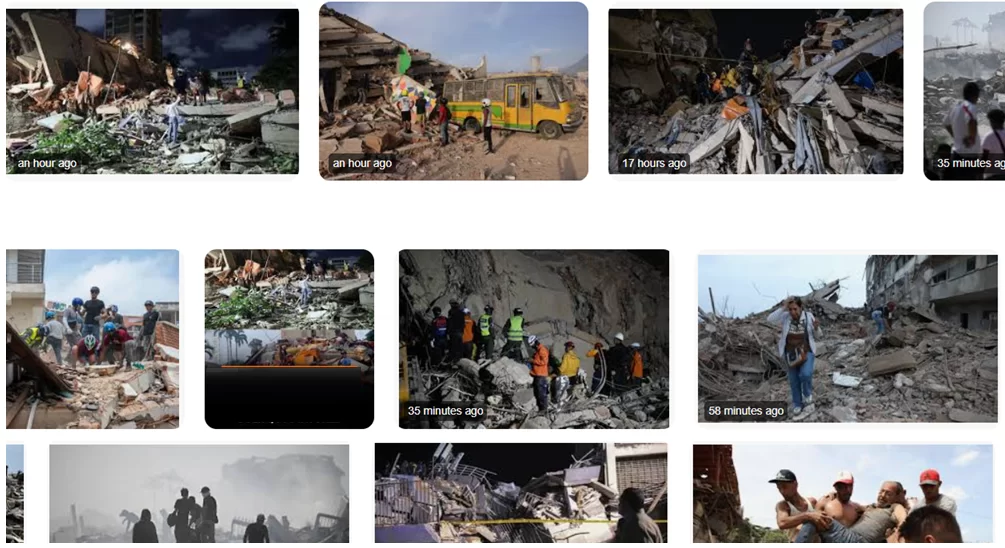
The death toll from the devastating twin earthquakes that struck northern Venezuela has climbed to at least 235, according to the country’s health ministry, while more than 4,300 people have been injured. Emergency officials warn that the number of casualties could continue to rise as search-and-rescue teams work around the clock to reach people trapped beneath collapsed buildings.
Two Powerful Earthquakes Strike Within Seconds
The disaster unfolded on June 24, when two powerful earthquakes measuring 7.2 and 7.5 in magnitude struck less than a minute apart. The shallow depth of both earthquakes produced extremely strong ground shaking, causing widespread destruction across northern Venezuela.
Worst-Hit Areas
The hardest-hit regions include:
Caracas (the capital)
La Guaira
Caraballeda
Nearby coastal communities
Entire apartment buildings, hotels, and residential neighborhoods collapsed, leaving thousands trapped beneath the rubble. Roads, bridges, airports, and communication networks also suffered significant damage, slowing rescue operations.
Rescue Operations Continue
Thousands of emergency responders, firefighters, military personnel, and volunteers are continuing rescue efforts despite dangerous aftershocks.
Heavy machinery is being used to clear debris while rescue dogs and specialized search teams work to locate survivors. Officials describe the first 72 hours after the earthquake as the most critical period for finding people alive beneath collapsed structures.
Humanitarian Crisis Growing
Authorities have confirmed:
235+ fatalities
More than 4,300 injured
Tens of thousands displaced from their homes
Thousands still reported missing or unaccounted for in affected areas
Hospitals remain overwhelmed as medical teams treat victims suffering from fractures, crush injuries, and other earthquake-related trauma. Emergency shelters have been established for families who lost their homes.
International Support
Several countries and international organizations have pledged humanitarian assistance, including search-and-rescue teams, medical supplies, emergency food, clean water, and temporary shelter. Relief agencies continue coordinating aid as Venezuela faces one of the worst natural disasters in its modern history.
Aftershocks Increase Risks
Dozens of aftershocks have continued to shake the affected region, forcing temporary pauses in rescue operations and increasing concerns about additional building collapses. Authorities have urged residents to avoid damaged structures until engineers determine they are safe.
Looking Ahead
Recovery efforts are expected to take months as emergency responders continue searching for survivors and communities begin rebuilding critical infrastructure. Officials caution that the confirmed death toll may continue to rise as rescue teams gain access to heavily damaged neighborhoods.